
When the Telephone Came to Columbus

Today, we are showcasing the history of the first decade of telephone service in Columbus. The majority of the Spotlight comes from an article by Callie McGinnis in the Muscogiana, a Journal of the Muscogee County Genealogical Society. To read Callie's full article, please click here. She includes all of the subscribers and their original phone numbers according to listings she found in the Daily Enquirer-Sun. I have also utilized an article from W.C. Woodall's 1926 Industrial Index for some of the information.
SOURCES: Columbus Telephone History, W.C. Woodall, 1926 Industrial Index. The First Decade of Telephone Service in Columbus, Georgia: Subscribers from 1880 - 1890. Callie B. McGinnis, Muscogiana, Journal of the Muscogee County Genealogical Society, 2011.

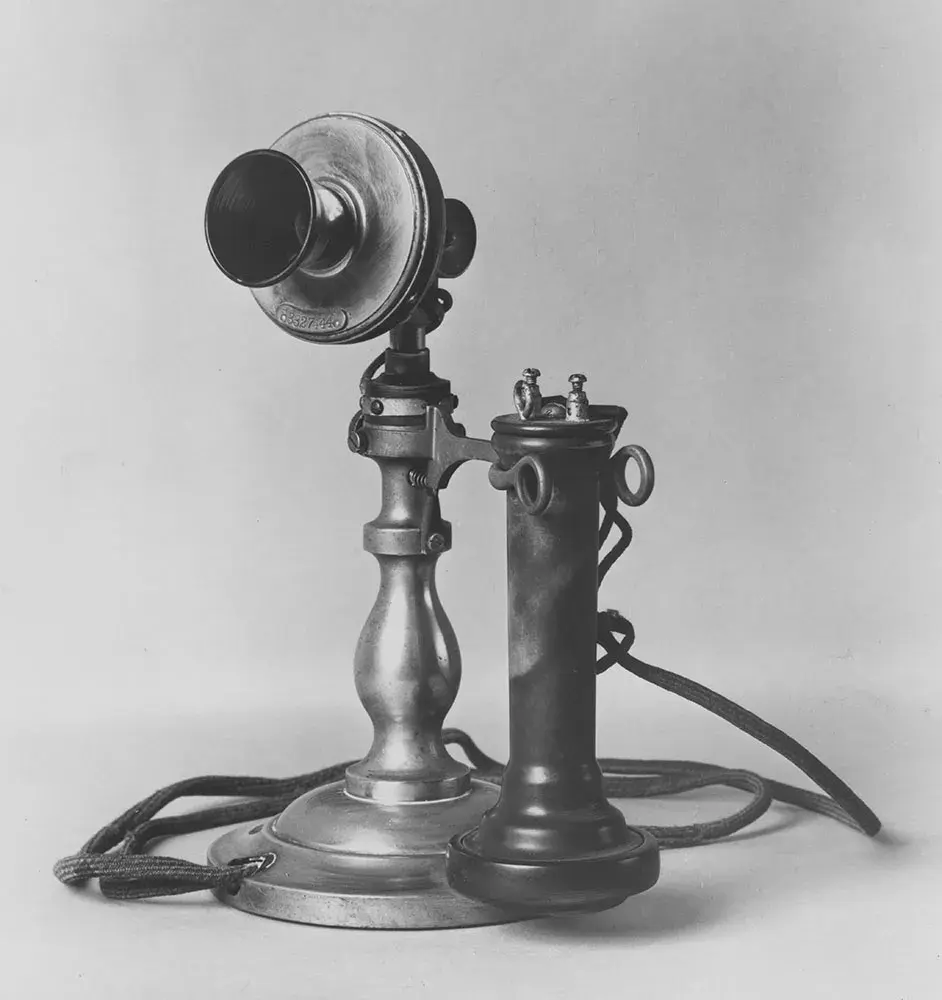
Alexander Graham Bell invented the telephone in 1876. Within a couple of years, telephone service began operations in many American cities. The first telephone exchange in the United States opened for business in 1878 in New Haven, Connecticut, with twenty-one customers. In the South, the Atlanta Telephonic Exchange opened in 1879, operating out of an office on the top floor of the Kimball House, a hotel located on the corner of Wall and Pryor Streets.
Just four years after the invention of the telephone, a small number of citizens in Columbus, Georgia, banded together to support the establishment of telephone service in the city. It was G. Gunby Jordan (above), however, who was considered the father of the telephone system in Columbus. He became sold on Alexander Graham Bell’s invention immediately and resolved to secure a system for Columbus as soon as the new invention came into commercial use.
At that time (1880), Richmond dominated this section of the South in a financial way and was regarded as “headquarters” for this territory. Mr. Jordan took his appeal to Caesar, as it were, carrying his cause to Richmond. A gentleman representing the new Bell telephone agreed to meet him in Atlanta and talk over the Columbus situation. The conference was held, and the telephone official said he wouldn’t think of coming to Columbus unless twenty subscribers were guaranteed. Mr. Jordan instantly underwrote the twenty subscriptions to service and personally took five.

The Columbus Telephone Exchange opened its doors for business on April 22, 1880. It was housed in the Georgia Home Building (above) on the corner of Broad and 11th Street (then called St. Clair). Today, this building is known as the "Iron Bank," due to the fact that it has a cast iron facade.
The Columbus Telephone Exchange was the third in the state, behind Atlanta and Savannah. The total cost of the physical plant in Columbus in 1880 was $1,000. The population at the time was 10,123. On that first day of business, the exchange handled about 600 calls - a hefty number considering there were only thirty-three subscribers.
Oscar Harrell, manager of the Telephone Exchange, and J.O. Jeffries, the assistant district manager, gave special instructions to the neophyte Columbus telephone users:
“When you desire to communicate with any other subscriber, first take the telephone from the hook and place it firmly against your ear. Then raise the hook, pull and hold down the switch lever, and when you hear the operator's voice, tell him your number and the number of the subscriber you desire to communicate with; then let go the switch lever. And when your bell is rung, proceed with your communication. Should you not hear the party you wish to speak to, pull down the switch lever and tell the operator to ring again. When you have finished your communication pull down the switch lever as at first and tell the operator at the central office to disconnect your wires. Then hang up your telephone back on the hook. When your telephone is not in use be sure it is hanging on the hook, otherwise your bell cannot be rung when you are wanted by other subscribers. When speaking, stand with your mouth about eight inches from the transmitter and speak plainly in an ordinary tone of voice. When listening, press the telephone firmly over the orifice of the ear.”
The day before the opening of the Exchange, the Daily Enquirer Sun published a list of the original subscribers arranged by telephone number. It is interesting to note that while most of the listings are for businesses, there are two residences listed: that of Oscar Harrell, the Exchange's manager, and G. Gunby Jordan.
The Georgia Midland Railroad (owned and built by G. Gunby Jordan) was the first railroad in the world to be built by telephone, so far as records show. A telephone wire was stretched from Columbus to McDonough, 98 miles, and all the division engineers were in daily communication with headquarters. This greatly facilitated the movement of materials and the rushing of supplies where most needed.

Over the next decade, the Columbus newspapers added occasional batches of entries to the telephone list. There was a single addition in August of 1887 for Golden Brothers, the telephone number was 154.
On April 10, 1889, a few more subscribers were listed. These were for the fire stations. A month later, a revised list of all the subscribers was published in the Daily Enquirer Sun. This listing was alphabetical, by the name of the subscriber, rather than numerical.
In the fall of 1889, single listing appeared for the Acme Steam Laundry. Its telephone number was 227. The following year, on April 15, 1890, an actual Columbus telephone directory, containing 242 listings, was published and distributed to subscribers. (Author’s Note: This publication was reprinted in 1992 by Southern Bell Telephone and Telegraph Company. A copy is held by the Columbus State University Archives. There is also a copy in the Columbus Public Library's Genealogy Room Pamphlet File.)
Of course, new subscribers continued to come on board after the directory was published.
After 1890, additional listings were published in the newspapers as an ongoing venture. The telephone directories were also revised and published. By 1904, at least four directories had been published. It must have been difficult for subscribers to keep up with all the new subscriber listings. By 1904, it was estimated that there were at least 500 subscribers. It is interesting to note that telephone users did have access to "directory assistance." All they had to do was dial 500.

After its first four years of operation, the Columbus Telephone Exchange was relocated from the Iron Bank to a two-story brick building on 11th Street, located just behind the bank. This building, situated at 14 11th Street, is currently occupied by MaBella's.
The first ten years of telephone service in Columbus, Georgia, must have been an exciting time for local residents. Between 1880 and 1890, close to 300 businesses and individuals signed up as telephone subscribers. These people were the technology geeks of their era, pioneering the use of a gadget that would completely change the face of communication in Columbus and around the world.


I wouldn't use generated names unchanged every time, but they are great for brainstorming. The name generator helped me find a naming direction for a character I was writing.
If you deal with multiple links daily, a bulk link opener can save a lot of time and effort. It really improves workflow efficiency.
Mình có lần lướt đọc mấy trao đổi trên mạng شيخ روحاني thì thấy nhắc nên cũng tò mò mở ra xem thử cho biết. Mình không tìm hiểu sâu rauhane chỉ xem qua trong thời gian ngắn để quan sát bố cục s3udy cách sắp xếp các mục và trình bày nội dung tổng thể. Cảm giác là các phần được trình bày khá gọn, các mục rõ ràng nên đọc lướt cũng không bị rối Berlinintim, với mình như vậy là đủ để nắm tin cơ bản rồi. q8yat
“This circus experience https://allknight.com/ sounds electrifying! High-energy shows with human performers are so engaging. we appreciate brands that create unforgettable experiences that combine talent, fun, and community engagement. This post truly captures the excitement and magic of live entertainment.
This looks like an exciting and energetic event! A high-energy all-human circus sounds like an amazing way to https://3yhealth.com/ bring people together for a night of fun and entertainment. Experiences like this remind us how important joy and community are. we also believe entertainment and wellbeing go hand in hand.